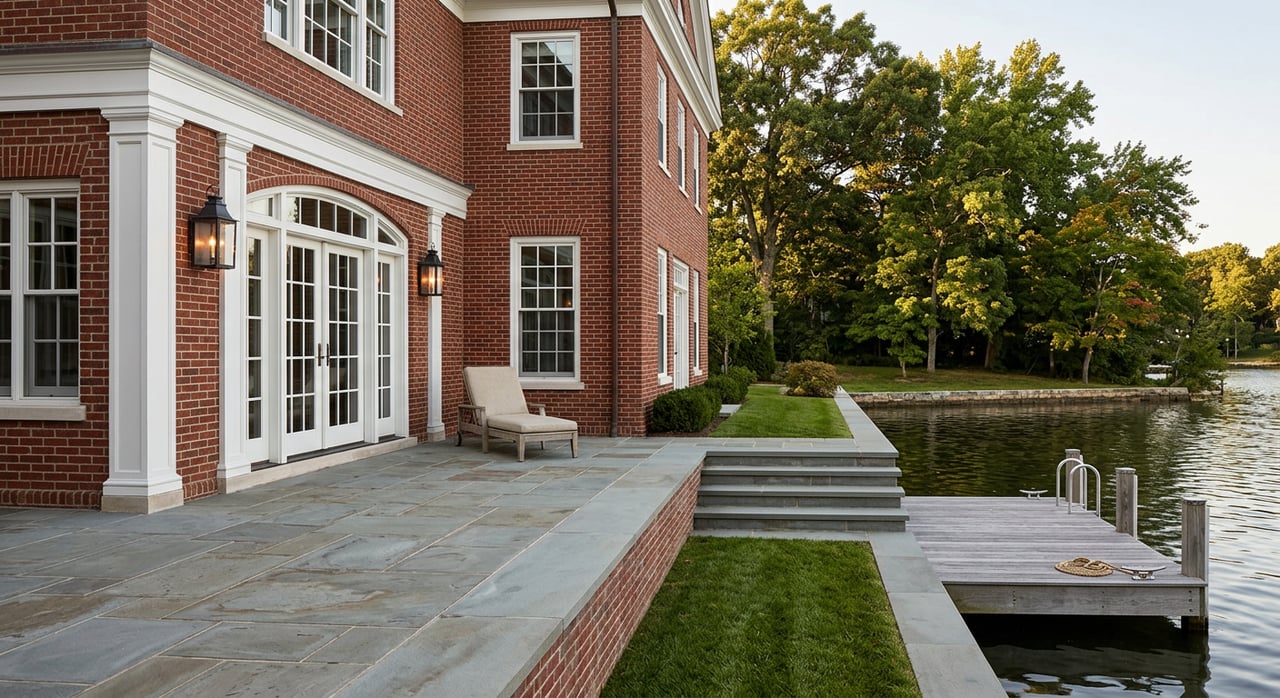
Selling a waterfront home in Westport is different from selling inland. The views draw attention, but buyers, lenders, and insurers look harder at permits, flood maps, and shoreline details. If you prepare the right way, you can protect your value, speed up underwriting, and move to closing with fewer surprises. This guide walks you through the local rules, the documents buyers will ask for, and smart steps to take before you go live. Let’s dive in.
Know the rules before you list
Waterfront properties in Westport often sit within the town’s coastal boundary. Many projects within that area require review. Get familiar with the process, and line up your paperwork early.
- Coastal Site Plan: Activities in the coastal area may need Planning & Zoning review. Start with Westport’s Coastal Site Plan review procedures and consider a pre‑application conversation to shorten timelines.
- Floodplain standards: Westport’s zoning rules include floodplain regulations that matter for disclosures and any recent work on the home. The town requires one foot of freeboard above the Base Flood Elevation (BFE) for new construction or substantial improvements. Review the floodplain regulations that require one foot of freeboard above Base Flood Elevation so you can document finished floor elevations and utility placement.
- Wetlands and shoreline work: If the site touches wetlands, tidal areas, or regulated uplands, you may need approval from Conservation or an Inland Wetlands permit. See the Conservation Department’s Inland Wetlands FAQ for local guidance.
Check flood maps and insurance early
Flood mapping changes can impact buyer financing and insurance during your listing window. Westport has communicated proposed updates for the Saugatuck watershed, so it pays to verify current panels.
- Map updates: Review the town’s notice on pending FEMA map changes for the Saugatuck watershed and have your agent confirm your effective Flood Insurance Rate Map panel before launch.
- Elevation Certificates: If your home is in a Special Flood Hazard Area, an Elevation Certificate from a licensed surveyor or engineer is the standard document for insurance rating and lender due diligence. Share it upfront. For background, see FEMA’s Elevation Certificate guide.
- Insurance pricing: FEMA’s Risk Rating 2.0 changed how flood premiums are calculated. Buyers and lenders will want clarity, so provide your current policy summary and any documentation of mitigation, like elevated mechanicals. You can learn how pricing variables work in FEMA’s Risk Rating 2.0 methodology overview.
Tame shoreline structures and docks
Shoreline elements are big selling points, but they come with rules. Buyers will ask for permits, maintenance logs, and professional reports. Get ahead of that.
- Seawalls and bulkheads: Connecticut DEEP generally discourages new shoreline flood or erosion control structures, and only authorizes them when needed to protect existing inhabited structures or water‑dependent uses. Repairs to authorized structures are commonly allowed but need documentation. Review DEEP’s guidance on shoreline protection structures and gather past permits and engineering reports.
- Docks and floats: Like‑for‑like dock repairs may fit under general permit criteria. New or larger docks, or any dredging, often require a formal DEEP license and can involve federal coordination. Start with DEEP’s dock and float general permit guidance and keep your prior approvals on hand.
Verify boundaries and water rights
In Connecticut, the area waterward of the mean high water line is held in public trust, and littoral rights are qualified by state and local rules. Before you market “private” shoreline features, confirm your boundary.
- Order a current stamped survey that shows the mean high water line and lot lines.
- Use accurate language in your listing about water access and any shared or regulated areas.
- If you need a primer, review Connecticut case law on mean high water and public trust boundaries.
Build a pre‑listing waterfront packet
Well‑qualified buyers expect a clear, professional package. Delivering it upfront reduces contingencies and drives confidence.
Include these items:
- Stamped survey showing lot lines and the mean high water line, plus any easements that affect access or littoral rights.
- Elevation Certificate and any Letters of Map Amendment or Revision.
- Copies of prior permits and approvals for shoreline structures, docks, and any in‑water work from the Town, DEEP, or federal agencies.
- Bulkhead, seawall, and dock maintenance logs, engineering reports, pile replacement dates, and warranties.
- Mooring, slip, or boat lift documentation and any association rules.
- Title report showing deed restrictions or recorded easements related to the shoreline.
- The state‑required Connecticut Residential Property Condition Disclosure Report, with clear answers on flood and water‑related items.
- Insurance claims history for wind or flood and a summary of your current flood policy, if applicable.
- Recent inspections and any pre‑listing repair or remediation quotes.
Physical prep that adds value
Small, well‑documented improvements can ease buyer concerns and support your price.
- Elevate or protect utilities: When feasible, place HVAC and electrical panels above BFE plus Westport’s one‑foot freeboard. Keep invoices and permits to show buyers and insurers.
- Service the shoreline: If you have authorized seawalls, bulkheads, or docks, schedule a professional inspection and complete minor repairs. Provide stamped reports and photos.
- Confirm septic or sewer status: Obtain recent septic pump‑out or inspection records, or a sewer usage confirmation. Buyers will ask.
- Organize records: Label permits, surveys, and reports so your buyer’s attorney and lender can review them quickly.
Staging and marketing for waterfront
Presentation matters. You want buyers to feel the lifestyle and see that the property is responsibly maintained.
- Frame the views: Declutter the shoreline and outdoor areas, and maintain vegetation to open sightlines. Avoid any shoreline alterations without checking permits first. DEEP’s shoreline guidance is a good reference point.
- Highlight resilience: If you’ve elevated utilities, installed surge‑resistant doors, or completed recent bulkhead repairs, showcase them with clear documentation. Buyers value risk‑reducing upgrades when they are verified.
- Use strategic visuals: Drone and twilight photography can show water access and outdoor living. Pair images with accurate language about access limits and invite buyers to review your waterfront packet for details.
Timeline risks and how to avoid them
Waterfront listings can hit avoidable delays. Plan around the most common friction points.
- Unpermitted work: An unpermitted dock or undocumented shoreline repair can stall the deal. Inventory past work and collect permits early.
- Missing elevation data: Without an Elevation Certificate, buyers may wait on insurance quotes. Order it at the start.
- Coastal Site Plan sign‑offs: Town reviews can add time. Start pre‑application conversations with Planning & Zoning and include clear site plans.
- Map changes mid‑escrow: If FEMA updates become effective during your transaction, lender requirements can change. Track the town’s FEMA map notices and communicate with your buyer’s lender early.
Your pre‑listing game plan
Use this practical sequence to streamline the process and reduce surprises.
- Weeks 1–2: Order a current ALTA or stamped survey that shows the mean high water line and elevation data if you do not have a recent Elevation Certificate. Pull your deed and title report to check for shoreline or access easements.
- Weeks 2–4: Collect prior permits and approvals for docks, bulkheads, and any in‑water work. Compile maintenance records and warranties. Schedule inspections for shoreline structures, the home, and septic or sewer.
- Weeks 4–6: If repairs are recommended, pursue minimal‑impact solutions favored by DEEP and document them. Prepare the full waterfront packet, including your completed state disclosure form and insurance summaries.
- Weeks 6–8: Finalize staging, photography, and listing language with accurate shoreline and access descriptions. Set expectations with buyers by noting that all coastal and flood documents are available for review.
Why a concierge approach pays off
High‑value waterfront sales reward meticulous preparation. A concierge process helps you avoid last‑minute issues, create lender‑ready files, and answer the questions sophisticated buyers and their advisors will ask. With deep local knowledge, a vetted vendor network, and premium marketing distribution, you can bring your home to market with confidence and clarity.
When you are ready to take the next step, partner with a local expert who will manage the details and position your property with care. Work with Barbara Sweeney Homes to plan your timeline, assemble your packet, and launch a standout Westport waterfront listing.
FAQs
What should Westport waterfront sellers include in a pre‑listing packet?
- Provide a stamped survey with the mean high water line, an Elevation Certificate, prior shoreline and dock permits, maintenance logs, title and easement documents, insurance summaries, inspections, and the state disclosure form.
How do FEMA map changes affect a Westport waterfront home sale?
- Map updates can change a property’s flood zone, which may alter lender insurance requirements and premiums during escrow, so verify your current panel and share elevation documentation upfront.
Do I need permits for dock repairs at a Westport home on the water?
- Like‑for‑like repairs may qualify under DEEP general permits, but new or expanded docks often require a formal license, so confirm eligibility before starting any work and keep all approvals on file.
What is Westport’s freeboard rule and why does it matter to buyers?
- Westport requires one foot of freeboard above BFE for new construction or substantial improvements in mapped flood zones, which influences design, finished floor elevations, and flood insurance discussions.
How should I describe shoreline access in my listing to avoid issues?
- Use neutral, accurate language that reflects your survey and permits, avoid implying private rights below the mean high water line, and direct buyers to your documented packet for legal boundaries and approvals.