Leave a Message

Thank you for your message. We will be in touch with you shortly.

Life In Weston CT: Rural Luxury And Quiet

Life In Weston CT: Rural Luxury And Quiet

Looking for a Fairfield County town that feels peaceful, private, and polished all at once? Weston, CT offers a very specific kind of lifestyle: more land, more trees, and a quieter daily rhythm than many nearby towns. If you are wondering whether that tradeoff is worth it, this guide will walk you through what life in Weston really feels like and who tends to love living there. Let’s dive in.

What life in Weston feels like

Weston is a small residential town in southwestern Connecticut, about 45 miles from New York City. Official town materials describe it as a community shaped by two-acre zoning, minimal commercial development, open space, and a strong civic identity.

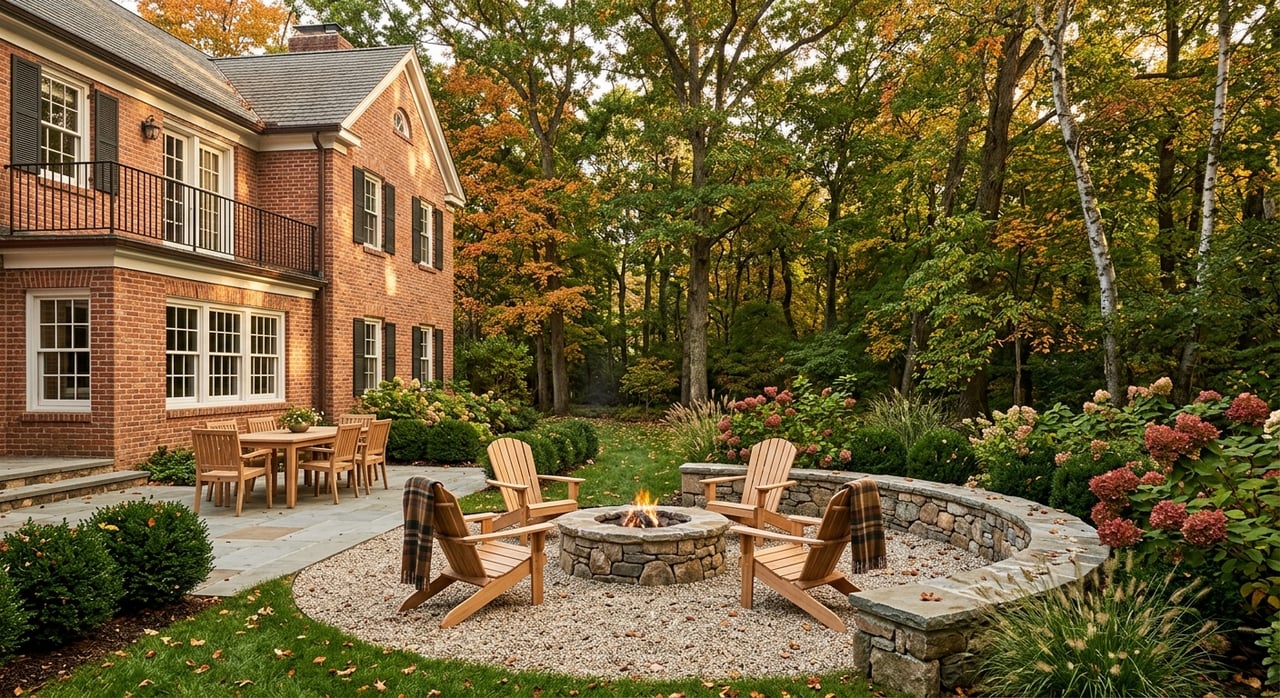
That combination gives Weston a distinctly low-density feel. It is the kind of place where wooded lots, stone walls, meadows, and pastoral roads help create a sense of calm that many buyers find hard to replicate elsewhere in lower Fairfield County.

Weston is not trying to be a retail hub or a bustling downtown destination. It is, first and foremost, a residential town built around space, privacy, and a quieter pace of life.

Why Weston feels rural and luxurious

A big part of Weston’s identity comes from how the land is used. Town planning and zoning documents say development is predominantly rural residential, with only limited business and service uses.

That matters because the lifestyle here is tied directly to the landscape. Mature trees, wetlands, woods, and larger lots do not just shape the look of Weston. They shape the day-to-day experience of living there.

For many buyers, that reads as a form of quiet luxury. Instead of density and constant activity, you get room to breathe, more separation from neighbors, and a setting that feels intentionally preserved.

According to Census QuickFacts, Weston’s estimated 2024 population is 10,490. The same source reports a median owner-occupied home value of $996,700 and median household income above $250,000, which reflects the town’s upscale housing profile.

Open space is part of daily life

If you spend time in Weston, you quickly notice how much of the town is defined by protected land and outdoor access. Town materials state that 3,847 acres, or about 29% of Weston’s land, are parks, open space, and conservation land.

That is a meaningful part of the town’s appeal. Open space in Weston is not just a scenic backdrop. It is a real part of how residents spend their time and how the town maintains its quiet character.

Parks and preserves in Weston

Weston offers a range of public outdoor spaces, including Bisceglie-Scribner Park, Morehouse Farm Park, Keene Park, the Weston Dog Park, and Lachat Town Farm. These places support everything from walking and recreation to community programming focused on agriculture, sustainability, arts, and the environment.

One of the area’s best-known natural assets is Devil’s Den Preserve. The town describes it as The Nature Conservancy’s largest continuous preserve in Connecticut and the largest tract of protected land in densely developed Fairfield County.

That kind of access helps explain why Weston often feels more nature-centered than commercially busy. For buyers who want outdoor life woven into the everyday routine, that can be a major advantage.

Schools are central to town identity

For many buyers, schools are a major reason Weston gets a close look. Weston Public Schools serves about 2,034 students across five schools and programs, according to Connecticut EdSight.

The district homepage also highlights a 99% graduation rate and 99 college/career readiness. Official town materials describe the school system as award-winning and high-performing.

Just as important, the schools are woven into the town’s physical and social fabric. The town notes that the schools sit on a 117-acre wooded campus, which reinforces how central they are to community life.

Schools influence daily rhythm

In Weston, schools are more than a data point for buyers comparing towns. They are also part of how the community functions, with active clubs, activities, and athletics shaping family schedules and local connection.

That can be especially meaningful if you are relocating and want a town where school life plays a visible role in the broader community. It helps create a sense of shared rhythm without making the town feel busy in the way a larger commercial center might.

When discussing any town, it is best to explore school options based on your own needs, priorities, and direct review of current district information.

Community life is active but low-key

Weston does offer community life, but it tends to be quieter and more civic-minded than entertainment-driven. Official town materials point to organizations and resources such as WestonArts, the Weston History and Culture Center, Lachat Town Farm, the library, the senior center, youth services, and the town calendar.

That mix suggests a steady flow of local events and programming without the feel of a major nightlife or restaurant destination. The town also notes a long tradition of community volunteerism, which adds to Weston’s reputation as an engaged and connected place.

For some buyers, that is exactly the point. Weston offers opportunities to plug into the community while still preserving privacy and breathing room at home.

Everyday convenience in Weston

The biggest lifestyle tradeoff in Weston is convenience. Town materials identify Weston Town Center as the main commercial destination, with basics like a local food market, bank, dry cleaner, real estate office, post office, spirits shop, restaurant, and gas and service station.

That setup can cover essential errands, but it is not the same as living in a town with a dense downtown, a broad dining scene, or frequent walkable stops. If you like the idea of doing most errands on foot or having a long list of restaurants close by, Weston may feel limited.

For buyers who prioritize privacy and land over in-town activity, that tradeoff often feels reasonable. But it is an important part of the lifestyle to understand before you buy.

Driving is part of the lifestyle

Weston is a car-dependent town in practical terms. Planning documents note morning congestion, regional through-traffic, and older roads that were not designed for heavy modern traffic.

The same documents say many roads are narrow and have little shoulder space. That reinforces the fact that Weston functions differently from a more commercial suburb built around wider roads and concentrated retail areas.

This does not mean the town is inconvenient for everyone. It means your daily routine is more likely to involve driving for school, errands, activities, and dining than it would in a more walkable town.

Who Weston tends to suit best

Weston is often a strong fit if you are looking for:

  • More privacy and separation between homes
  • Wooded lots and a preserved natural setting
  • Access to parks, trails, and open space
  • A quieter residential atmosphere
  • A town where schools are a major part of community identity

It may be a weaker fit if you want:

  • Frequent walkable errands
  • A lively in-town restaurant scene
  • A more urban or village-style daily rhythm
  • Less car dependence in everyday life

In simple terms, Weston offers quiet luxury through space, nature, and school quality. In return, you accept a more car-based routine and fewer in-town amenities than you would find in some neighboring communities.

Weston by the numbers

A few data points help bring the town into focus:

Category Weston Snapshot
Estimated 2024 population 10,490
Open space and conservation land 3,847 acres
Share of land in parks/open space About 29%
Median owner-occupied home value $996,700
Median household income $250,000+
Weston Public Schools enrollment About 2,034 students

These numbers support what many buyers notice right away. Weston is a small, affluent, low-density town where open land and residential character play a major role in everyday life.

Why buyers choose Weston

Many homebuyers are not looking for the busiest town. They are looking for the right balance of privacy, beauty, and practical livability.

That is where Weston stands out. It offers a quieter Fairfield County lifestyle centered on land, nature, and a strong residential identity, while still being within reach of the wider region.

If that sounds like the kind of setting you want, the next step is not just finding a house. It is understanding how different parts of town, lot types, road patterns, and property features line up with the way you actually want to live.

If you are considering a move to Weston or comparing it with other Fairfield County towns, Barbara Sweeney Homes can help you evaluate the lifestyle, housing options, and market context with clear, local guidance.

FAQs

What is Weston, CT known for?

  • Weston is known for its rural residential character, two-acre zoning, open space, wooded landscapes, limited commercial development, and strong public school presence.

Is Weston, CT a walkable town for daily errands?

  • In most cases, no. Weston has a small town center for basic errands, but daily life is generally car-dependent rather than centered on walking.

What is the outdoor lifestyle like in Weston, CT?

  • Weston has extensive open space, parks, and conservation land, including Devil’s Den Preserve, plus local amenities such as Lachat Town Farm, Morehouse Farm Park, and the Weston Dog Park.

Are Weston, CT schools an important part of community life?

  • Yes. Official town and district information show that the school system is a central part of Weston’s identity, with about 2,034 students, a wooded campus setting, and active school programming.

Who is Weston, CT best suited for?

  • Weston is often best suited for buyers who value privacy, larger lots, outdoor access, and a quiet residential setting over walkable retail, dense dining options, or an urban-style pace.

Looking for a Fairfield County town that feels peaceful, private, and polished all at once? Weston, CT offers a very specific kind of lifestyle: more land, more trees, and a quieter daily rhythm than many nearby towns. If you are wondering whether that tradeoff is worth it, this guide will walk you through what life in Weston really feels like and who tends to love living there. Let’s dive in.

What life in Weston feels like

Weston is a small residential town in southwestern Connecticut, about 45 miles from New York City. Official town materials describe it as a community shaped by two-acre zoning, minimal commercial development, open space, and a strong civic identity.

That combination gives Weston a distinctly low-density feel. It is the kind of place where wooded lots, stone walls, meadows, and pastoral roads help create a sense of calm that many buyers find hard to replicate elsewhere in lower Fairfield County.

Weston is not trying to be a retail hub or a bustling downtown destination. It is, first and foremost, a residential town built around space, privacy, and a quieter pace of life.

Why Weston feels rural and luxurious

A big part of Weston’s identity comes from how the land is used. Town planning and zoning documents say development is predominantly rural residential, with only limited business and service uses.

That matters because the lifestyle here is tied directly to the landscape. Mature trees, wetlands, woods, and larger lots do not just shape the look of Weston. They shape the day-to-day experience of living there.

For many buyers, that reads as a form of quiet luxury. Instead of density and constant activity, you get room to breathe, more separation from neighbors, and a setting that feels intentionally preserved.

According to Census QuickFacts, Weston’s estimated 2024 population is 10,490. The same source reports a median owner-occupied home value of $996,700 and median household income above $250,000, which reflects the town’s upscale housing profile.

Open space is part of daily life

If you spend time in Weston, you quickly notice how much of the town is defined by protected land and outdoor access. Town materials state that 3,847 acres, or about 29% of Weston’s land, are parks, open space, and conservation land.

That is a meaningful part of the town’s appeal. Open space in Weston is not just a scenic backdrop. It is a real part of how residents spend their time and how the town maintains its quiet character.

Parks and preserves in Weston

Weston offers a range of public outdoor spaces, including Bisceglie-Scribner Park, Morehouse Farm Park, Keene Park, the Weston Dog Park, and Lachat Town Farm. These places support everything from walking and recreation to community programming focused on agriculture, sustainability, arts, and the environment.

One of the area’s best-known natural assets is Devil’s Den Preserve. The town describes it as The Nature Conservancy’s largest continuous preserve in Connecticut and the largest tract of protected land in densely developed Fairfield County.

That kind of access helps explain why Weston often feels more nature-centered than commercially busy. For buyers who want outdoor life woven into the everyday routine, that can be a major advantage.

Schools are central to town identity

For many buyers, schools are a major reason Weston gets a close look. Weston Public Schools serves about 2,034 students across five schools and programs, according to Connecticut EdSight.

The district homepage also highlights a 99% graduation rate and 99 college/career readiness. Official town materials describe the school system as award-winning and high-performing.

Just as important, the schools are woven into the town’s physical and social fabric. The town notes that the schools sit on a 117-acre wooded campus, which reinforces how central they are to community life.

Schools influence daily rhythm

In Weston, schools are more than a data point for buyers comparing towns. They are also part of how the community functions, with active clubs, activities, and athletics shaping family schedules and local connection.

That can be especially meaningful if you are relocating and want a town where school life plays a visible role in the broader community. It helps create a sense of shared rhythm without making the town feel busy in the way a larger commercial center might.

When discussing any town, it is best to explore school options based on your own needs, priorities, and direct review of current district information.

Community life is active but low-key

Weston does offer community life, but it tends to be quieter and more civic-minded than entertainment-driven. Official town materials point to organizations and resources such as WestonArts, the Weston History and Culture Center, Lachat Town Farm, the library, the senior center, youth services, and the town calendar.

That mix suggests a steady flow of local events and programming without the feel of a major nightlife or restaurant destination. The town also notes a long tradition of community volunteerism, which adds to Weston’s reputation as an engaged and connected place.

For some buyers, that is exactly the point. Weston offers opportunities to plug into the community while still preserving privacy and breathing room at home.

Everyday convenience in Weston

The biggest lifestyle tradeoff in Weston is convenience. Town materials identify Weston Town Center as the main commercial destination, with basics like a local food market, bank, dry cleaner, real estate office, post office, spirits shop, restaurant, and gas and service station.

That setup can cover essential errands, but it is not the same as living in a town with a dense downtown, a broad dining scene, or frequent walkable stops. If you like the idea of doing most errands on foot or having a long list of restaurants close by, Weston may feel limited.

For buyers who prioritize privacy and land over in-town activity, that tradeoff often feels reasonable. But it is an important part of the lifestyle to understand before you buy.

Driving is part of the lifestyle

Weston is a car-dependent town in practical terms. Planning documents note morning congestion, regional through-traffic, and older roads that were not designed for heavy modern traffic.

The same documents say many roads are narrow and have little shoulder space. That reinforces the fact that Weston functions differently from a more commercial suburb built around wider roads and concentrated retail areas.

This does not mean the town is inconvenient for everyone. It means your daily routine is more likely to involve driving for school, errands, activities, and dining than it would in a more walkable town.

Who Weston tends to suit best

Weston is often a strong fit if you are looking for:

  • More privacy and separation between homes
  • Wooded lots and a preserved natural setting
  • Access to parks, trails, and open space
  • A quieter residential atmosphere
  • A town where schools are a major part of community identity

It may be a weaker fit if you want:

  • Frequent walkable errands
  • A lively in-town restaurant scene
  • A more urban or village-style daily rhythm
  • Less car dependence in everyday life

In simple terms, Weston offers quiet luxury through space, nature, and school quality. In return, you accept a more car-based routine and fewer in-town amenities than you would find in some neighboring communities.

Weston by the numbers

A few data points help bring the town into focus:

Category Weston Snapshot
Estimated 2024 population 10,490
Open space and conservation land 3,847 acres
Share of land in parks/open space About 29%
Median owner-occupied home value $996,700
Median household income $250,000+
Weston Public Schools enrollment About 2,034 students

These numbers support what many buyers notice right away. Weston is a small, affluent, low-density town where open land and residential character play a major role in everyday life.

Why buyers choose Weston

Many homebuyers are not looking for the busiest town. They are looking for the right balance of privacy, beauty, and practical livability.

That is where Weston stands out. It offers a quieter Fairfield County lifestyle centered on land, nature, and a strong residential identity, while still being within reach of the wider region.

If that sounds like the kind of setting you want, the next step is not just finding a house. It is understanding how different parts of town, lot types, road patterns, and property features line up with the way you actually want to live.

If you are considering a move to Weston or comparing it with other Fairfield County towns, Barbara Sweeney Homes can help you evaluate the lifestyle, housing options, and market context with clear, local guidance.

FAQs

What is Weston, CT known for?

  • Weston is known for its rural residential character, two-acre zoning, open space, wooded landscapes, limited commercial development, and strong public school presence.

Is Weston, CT a walkable town for daily errands?

  • In most cases, no. Weston has a small town center for basic errands, but daily life is generally car-dependent rather than centered on walking.

What is the outdoor lifestyle like in Weston, CT?

  • Weston has extensive open space, parks, and conservation land, including Devil’s Den Preserve, plus local amenities such as Lachat Town Farm, Morehouse Farm Park, and the Weston Dog Park.

Are Weston, CT schools an important part of community life?

  • Yes. Official town and district information show that the school system is a central part of Weston’s identity, with about 2,034 students, a wooded campus setting, and active school programming.

Who is Weston, CT best suited for?

  • Weston is often best suited for buyers who value privacy, larger lots, outdoor access, and a quiet residential setting over walkable retail, dense dining options, or an urban-style pace.
Work With Barbara

If you want to work with an agent who will give you 110% from the very first connection right through the closing, connect with Barbara today and rest assured, she will put her resources and expertise to work to get the deal done!

Follow Me on Instagram