If you are thinking about buying an investment property in Norwalk, you are probably asking the right first question: does the market still make sense at today’s prices and rents? In a city where inventory has tightened, rents vary widely, and zoning can change from block to block, the answer depends on careful local analysis. This guide will help you understand what the numbers say, where opportunity may exist, and what to verify before you buy. Let’s dive in.
Why Norwalk Draws Investors
Norwalk offers a mix of scale, income, and housing demand that gets many first-time and move-up investors interested. The city has 93,661 residents, 36,011 households, and a median household income of $107,616, based on 2020 to 2024 American Community Survey data. That gives you a large local base in a Fairfield County market with meaningful spending power.
The housing mix also matters. Norwalk has a median gross rent of $2,073, a median value of owner-occupied housing of $558,000, and an owner-occupied housing rate of 55.6%. In practical terms, that points to a market with both ownership and rental demand, which can support strategies like condos, small multifamily properties, and long-term resale planning.
Norwalk Has a Broad Job Base
A healthy investment market usually depends on more than one employer or industry. Norwalk’s 2024 town profile lists 50,461 total jobs, with major sectors including healthcare, retail trade, professional, scientific and technical services, accommodation and food services, and government. That diversity can help support tenant demand across different price points and property types.
For you as an investor, that can reduce the risk that demand swings too sharply if one business sector slows down. It does not remove risk, but it does give Norwalk a more balanced foundation than a market driven by one major employer.
What Rent Data Really Tells You
One of the most important lessons in Norwalk is that there is no single rent number that tells the whole story. Public data sources show a noticeable spread between survey-based rent figures and current asking rents. That means you need to compare multiple sources before projecting income.
The Census Bureau reports median gross rent at $2,073 for the city. Zillow’s Norwalk rental market page listed average rent at $2,750 as of May 5, 2026. Those figures are not interchangeable, and they measure different things, but together they show why broad averages can be misleading.
The city’s 2024 housing needs assessment adds more detail. In September 2023, median asking rent was $1,597 for studios, $1,962 for one-bedrooms, and $2,825 for two-bedrooms. If you are evaluating a condo or small multifamily building, those unit-level figures may be more useful than a citywide average.
Vacancy Signals Point to Tight Conditions
Low vacancy often supports rent stability, but it can also raise your purchase cost and increase competition for available properties. In Norwalk’s 2024 housing needs assessment, vacancy in 2022 was 2.2% in homeownership buildings and 3.2% in rental buildings. Those are relatively tight conditions.
The same report showed occupied rental units rising from 12,233 in 2012 to 16,996 in 2022. During that same period, occupied owner units fell from 22,724 to 19,153. That shift suggests rental demand has remained durable while ownership inventory has become more constrained.
For an investor, this matters in two ways. First, it may support long-term rental demand. Second, it reinforces the need for conservative underwriting, because a tight market can make it easy to overpay or overestimate future rents.
For-Sale Inventory Has Been Limited
Norwalk’s for-sale market has tightened significantly over the past several years. According to the city’s housing needs assessment, the number of single-family homes on the market fell from 366 in September 2015 to 68 in September 2023. Average days on market also dropped from 100 days in September 2019 to 27 days in September 2023.
That kind of inventory pressure can support values, especially for smaller homes and units that appeal to both buyers and renters. It can also make it harder to find properties that pencil out as investments. If you are entering the market now, speed matters, but discipline matters even more.
Property Types Worth Watching
Not every property in Norwalk fits the same investment strategy. The city’s mix of ownership housing, rental demand, transit access, and mixed-use planning means the best fit often depends on your budget, time horizon, and comfort with local regulations.
Condos and Smaller Units
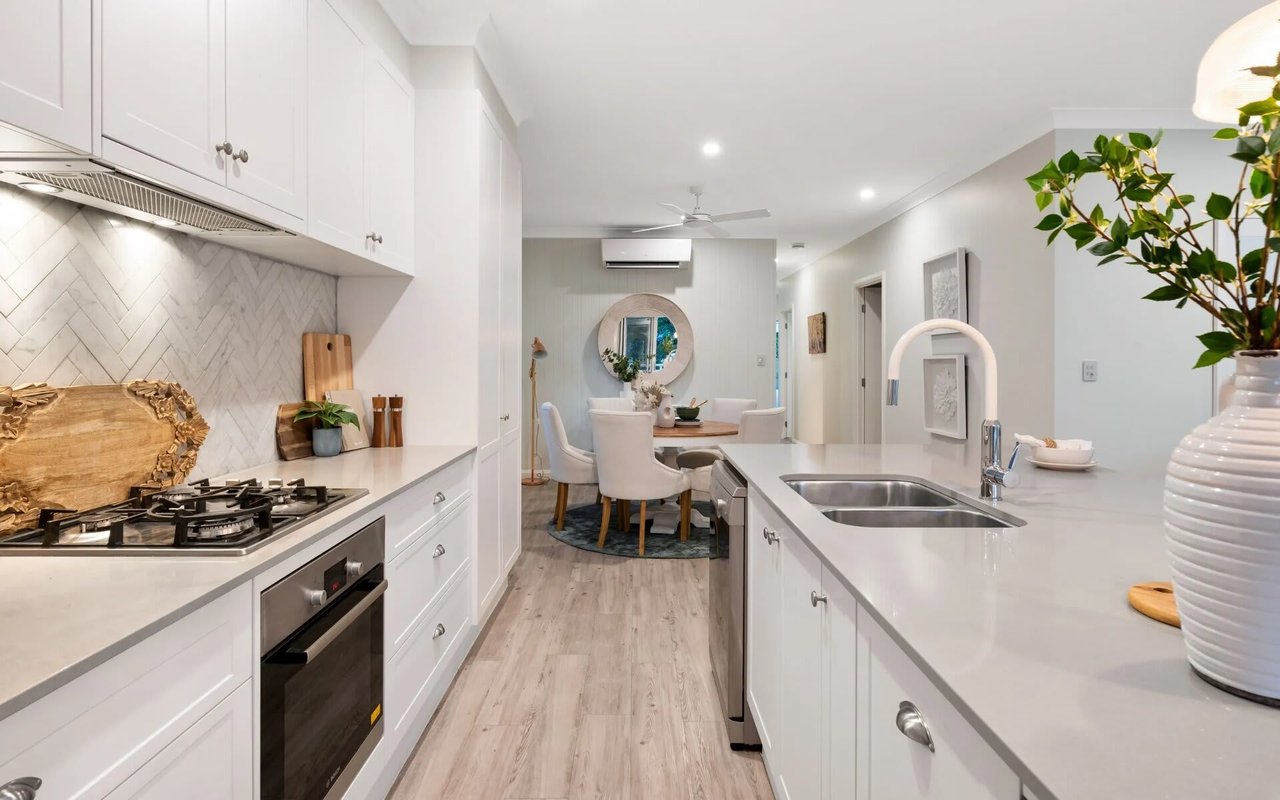
For many first-time investors, condos or smaller units may offer a more approachable entry point than larger multifamily buildings. In a market with low vacancy and tight for-sale inventory, smaller homes can attract renters who want flexibility and buyers who may eventually purchase as owner-occupants.
Still, you need to look carefully at monthly carrying costs. Condo fees, parking arrangements, maintenance obligations, and building rules can affect your true returns more than the purchase price alone.
Small Multifamily and Mixed-Use Buildings
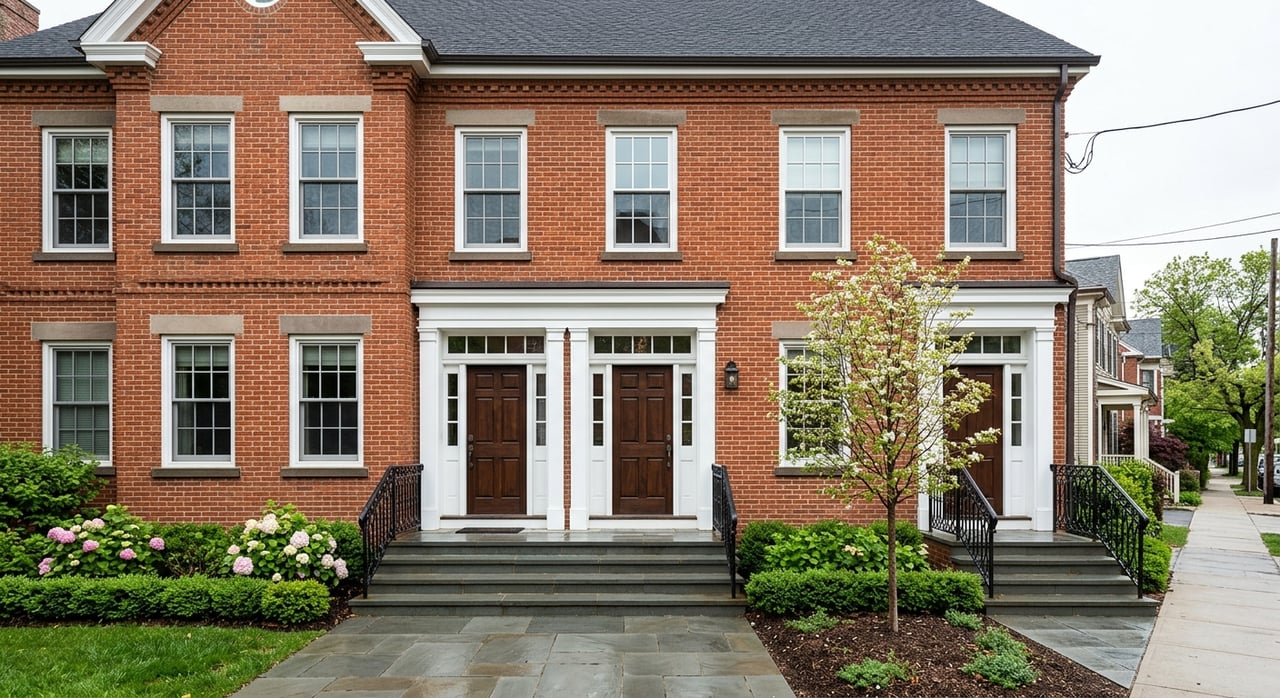
Norwalk Center is especially relevant if you are exploring mixed-use or multifamily opportunities. The Norwalk Center Neighborhood Plan states that CBD districts were created to promote mixed-use development. It also notes that the CBDA and CBDB zones allow uses such as retail, restaurants, cultural uses, and mixed-use buildings with residences, offices, schools, and healthcare, with building heights generally ranging from six to eight stories.
The waterfront overlay is also designed to strengthen the waterfront and can include multifamily dwellings and mixed-use development. If you are considering this type of asset, the upside may be stronger location appeal and diversified use potential. The tradeoff is that due diligence becomes much more property-specific.
Transit Access Can Shape Demand
Transit is a meaningful part of Norwalk’s investment story. The city says Metro-North’s New Haven Line connects Norwalk to New Haven, Stamford, New York City, and points in between. South Norwalk is also identified by the MTA as an accessible station with regional connecting service to Norwalk Transit.
For investors, this can matter most in areas near stations and established mixed-use corridors. Transit-adjacent condos and small multifamily properties may appeal to commuters, local renters, and buyers who value regional access. That does not mean every property near transit is a good investment, but location convenience can be an important part of long-term demand.
New Supply Is Part of the Picture
You should not analyze Norwalk using only current inventory. The development pipeline can affect future competition, rent comparisons, and neighborhood activity. Official city project pages show a 204-unit mixed-use development at 370-394 West Avenue and 2 Maple Street, a 32-unit mixed-use building at 71 Water Street, and a 59-unit mixed-use building at 108 Water Street.
New supply is not automatically negative for investors. It can bring more retail activity, stronger streetscapes, and renewed interest in nearby areas. At the same time, it can influence rent growth assumptions, parking pressure, and how quickly units are absorbed into the market.
Zoning Deserves Extra Attention
In Norwalk, zoning is not a box to check at the end of the process. It is one of the first things you should verify. The city makes clear that its online zoning materials are informational only, which means parcel-specific rules matter.
That is especially important because Norwalk includes four Village Districts and has transit-oriented development planning around East Norwalk Railroad Station. A property that looks attractive on paper may have use restrictions, design standards, or permit requirements that affect how you can improve or operate it. Before you count on rental income, mixed-use potential, or expansion plans, confirm what is actually allowed for that parcel.
Waterfront and Coastal Review Issues
If you are considering a property near the water, your due diligence should go beyond standard underwriting. City materials tied to 108 Water Street show that coastal parcels may involve coastal site plan review and flood-zone considerations. Those issues can affect insurance costs, design limitations, approval timelines, and long-term operating expenses.
For that reason, waterfront and near-water opportunities often need a more conservative approach. A strong location can be appealing, but your numbers should reflect added review and ownership costs.
A Smart Way To Underwrite Norwalk Deals
The best public-data workflow in Norwalk is to compare three things at the same time:
- Citywide Census rent data
- Current market asking rents
- Local vacancy and turnover signals
Taken together, these data points show a market with tight vacancy, meaningful rent dispersion, and active new development in mixed-use corridors. That can support a long-term investment case, but it also argues for caution.
When you run your numbers, keep your assumptions realistic. Build in room for:
- Rent estimates that are supported by comparable units
- Insurance costs, especially near coastal areas
- Maintenance and repairs
- Parking-related limitations or expenses
- Condo fees or mixed-use operating costs
- Time needed for approvals, leasing, or turnover
What First-Time Investors Should Focus On
If this is your first rental purchase in Norwalk, keep your analysis simple and local. A deal that works on a spreadsheet at the city level may not work on a specific street, in a specific building, or under a specific zoning designation.
A practical starting checklist includes:
- Verify allowed use for the exact parcel
- Compare rents by unit type, not just citywide averages
- Review current and future nearby supply
- Estimate full monthly carrying costs
- Check for flood-zone or coastal review issues where relevant
- Think about future resale demand as well as rental demand
That kind of disciplined review can help you avoid the most common early mistakes. It can also help you choose a property that gives you more than one exit path, whether that means holding as a rental, selling to an owner-occupant later, or repositioning as the market evolves.
Norwalk can make sense for investors who want a Fairfield County market with scale, transit access, a broad job base, and durable rental demand. But it is not a market for shortcuts. The strongest investment decisions here usually come from patient, block-by-block analysis and realistic underwriting.
If you are weighing a condo, small multifamily property, or a more complex mixed-use opportunity in Norwalk, working with local guidance can help you move with more confidence. Barbara Sweeney Homes offers thoughtful, data-driven support for buyers, sellers, renters, and investors across Fairfield County.
FAQs
What makes Norwalk CT real estate appealing for investors?
- Norwalk offers a large local population, a median household income of $107,616, a broad employment base, low vacancy, and transit access, all of which can support long-term housing demand.
How tight is the Norwalk CT rental market?
- Norwalk’s 2024 housing needs assessment reported 2022 vacancy at 3.2% in rental buildings, which points to relatively tight rental conditions.
What rent numbers should you use for a Norwalk investment property?
- You should compare several sources, including Census rent data, current asking rents, and unit-type rent figures, because public rent data in Norwalk shows a wide spread rather than one reliable citywide average.
Are condos a good first investment property type in Norwalk CT?
- Condos can be a practical entry point for some investors, but you should carefully review fees, rules, parking, and total carrying costs before deciding.
Why does zoning matter so much for Norwalk CT investment property?
- Norwalk’s zoning rules can vary by parcel, district, and overlay area, so permitted uses, design standards, and approval requirements should be verified before you rely on any income or redevelopment plan.
What should you check before buying near the Norwalk waterfront?
- You should review flood-zone conditions, possible coastal site plan review requirements, insurance implications, and any parcel-specific planning or zoning constraints.
How does new development affect Norwalk CT real estate investing?
- New mixed-use projects can improve neighborhood activity and add supply at the same time, which may influence future rent comparisons, parking conditions, and absorption trends.
Is Norwalk CT a good market for first-time real estate investors?
- Norwalk can be attractive for first-time investors who use conservative underwriting and detailed parcel-level due diligence, especially when evaluating condos, smaller multifamily properties, or transit-adjacent opportunities.