If you want shoreline access without giving up daily convenience, Fairfield deserves a close look. You may be comparing coastal Connecticut towns and wondering which one offers more than just a pretty beach weekend. Fairfield stands out because it pairs Long Island Sound frontage with a walkable downtown, distinct village centers, strong cultural amenities, and year-round recreation. Let’s take a closer look.
Why Fairfield Feels Different
Fairfield reads as a full-service coastal suburb, not just a seasonal beach destination. The town combines five miles of coastline, public beach access, downtown shopping and dining, multiple neighborhood centers, two university campuses, and an extensive parks and open-space network.
That mix matters when you are choosing where to live. Instead of relying on one main attraction, Fairfield offers several ways to shape your lifestyle, whether you want beach time, rail access, village charm, or more everyday convenience.
Fairfield’s Coastal Lifestyle
Fairfield sits along Long Island Sound and has five public beaches: Jennings, Penfield, Sasco, Southport, and South Pine Creek. According to the town’s beach information page, beach entry is free, but seasonal parking rules apply depending on the location and time of year.
For many buyers, that detail is important. Jennings and Penfield allow either a beach sticker or a daily fee during summer, while Southport, Sasco, and South Pine Creek are resident-only for seasonal sticker parking. If beach access is high on your list, it helps to understand not just where the shoreline is, but how you will realistically use it during peak season.
What Waterfront Recreation Looks Like
The shoreline is only part of Fairfield’s outdoor appeal. The town’s 2024 sustainability plan says Parks and Recreation manages 170 acres of town parks, 20 ball fields, 36 tennis courts, 4 dedicated pickleball courts, 59 open-space parcels totaling more than 1,100 acres, one inland lake, two pavilions, and two marinas.
That broader recreation base gives Fairfield a more flexible lifestyle than some smaller shoreline communities. You can enjoy the coast, but you also have trails, courts, parks, and open space woven into daily life.
Marinas and Boating Access
If boating or paddling is part of how you want to spend your time, Fairfield has meaningful infrastructure in place. The town’s 2024 annual financial report describes South Benson Marina as a roughly 600-boat facility with a launch ramp, bathrooms, picnic tables, a bait shack, and a fishing pier.
The same report says Ye Yacht Yard serves 65 small boats and offers kayak racks and mooring access in Southport Harbor. For buyers who want to stay connected to the water beyond beach visits, those amenities add another layer to Fairfield’s coastal appeal.
Downtown Fairfield and Daily Convenience
A lot of shoreline towns offer natural beauty. Fewer offer the kind of daily convenience Fairfield does. The town describes downtown Fairfield as its vibrant heart, with shopping, dining, arts, and culture centered around Fairfield Center station.
That location creates a practical rhythm for everyday life. The town says visitors can walk from the station to shops, restaurants, historic sites, and nearby beaches, and Fairfield also has three Metro-North stations. If commuter access or car-light living matters to you, that is a major point in Fairfield’s favor.
Dining, Culture, and Community Anchors
Downtown is not just functional. It also has depth. The town’s downtown guide notes about 40 restaurants and highlights destinations such as the Fairfield Public Library, Fairfield Museum and History Center, Fairfield Theatre Company, and the CT Audubon Society’s Birdcraft Museum and Sanctuary.
For you as a buyer, that means Fairfield offers more than errands and train access. It provides places to spend time, meet people, and enjoy local events without needing to leave town.
Fairfield’s Village Centers
One of Fairfield’s strengths is that it is not defined by a single downtown. The town’s tourism pages highlight Southport Village, Greenfield Hill, Stratfield Village, and Black Rock Turnpike as distinct centers, each with a different feel and purpose.
This gives you more lifestyle choice within one town. Depending on where you live, you may prioritize harbor views, a quieter village atmosphere, neighborhood-scale businesses, or a corridor designed for shopping and errands.
Southport Village
Southport Village is known for harbor views and historic character. For buyers drawn to a more coastal village setting, it offers a different experience from downtown Fairfield while still being part of the same town.
Greenfield Hill, Stratfield, and Black Rock Turnpike
The town describes Greenfield Hill as a quieter village setting with traditions such as the Dogwood Festival. Stratfield Village is positioned as a neighborhood destination, while Black Rock Turnpike is described as a busy corridor for shopping and everyday errands.
That variety is useful if you are trying to match housing decisions with your routine. Some buyers want walkability and a central feel, while others want easier errand access or a more tucked-away setting.
Universities, Libraries, and Cultural Life
Fairfield’s year-round energy is shaped in part by its major institutions. Fairfield University describes its 200-acre campus in Fairfield near Long Island Sound and points to the town’s restaurants, coffee bars, theaters, boutique shops, beaches, and rail connection to New York City.
The research report also notes that Sacred Heart University emphasizes many of the same local advantages. Together, these campuses help support Fairfield’s cultural life, local activity, and broader sense of momentum.
Family Programming and Local Resources
If you are thinking about long-term livability, Fairfield has strong community resources beyond the shoreline. The Fairfield Public Library operates a main library and a Fairfield Woods branch, with children’s programming that includes family events, after-school classes, seasonal reading challenges, and the 1,000 Books Before Kindergarten program.
The Fairfield Museum and History Center also offers family programs, workshops, community days, storytimes with the library, and summer camps. These are the kinds of amenities that make a town feel active and useful throughout the year, not just in summer.
Trails and Nature Access
For buyers who want both shoreline and nature access, Fairfield offers a strong balance. The Connecticut Audubon Society says its Fairfield site and Larsen Sanctuary include seven miles of trails plus the Chiboucas Special Use Trail, giving residents another way to enjoy the outdoors.
That matters because coastal living is not only about being near the water. In Fairfield, it can also mean having regular access to trails, open space, and quiet natural areas within town.
What Housing Looks Like in Fairfield
Fairfield is an ownership-heavy, relatively high-cost housing market. According to U.S. Census QuickFacts, the town’s 2024 population estimate is 65,300, with 21,561 households, an 83.3% owner-occupied rate, a median owner-occupied home value of $780,500, median monthly owner costs with a mortgage of $3,948, and median gross rent of $2,185.
Those numbers help frame expectations. Fairfield appeals to buyers looking for a stable, primarily owner-occupied community, but it also requires a realistic view of pricing and carrying costs.
Coastal Homes Versus Inland Options
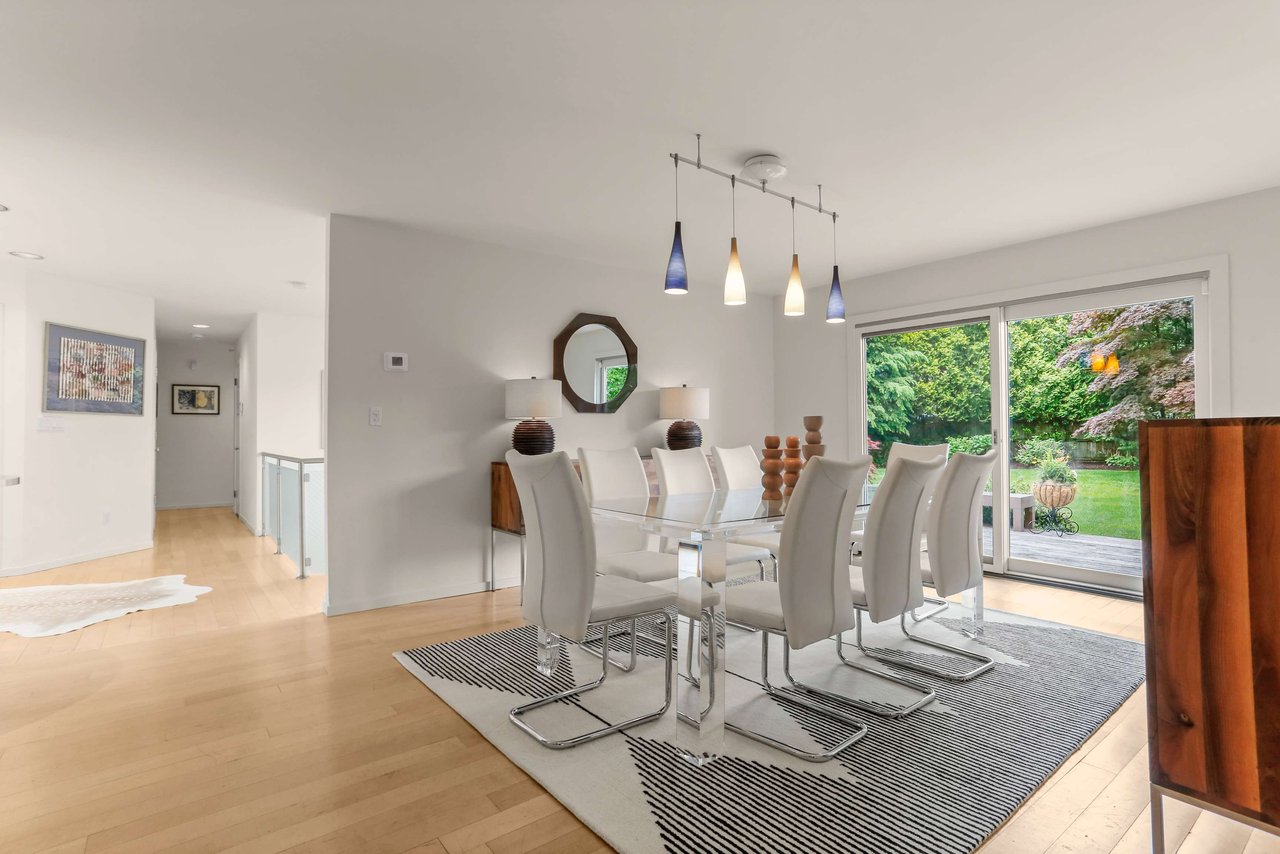
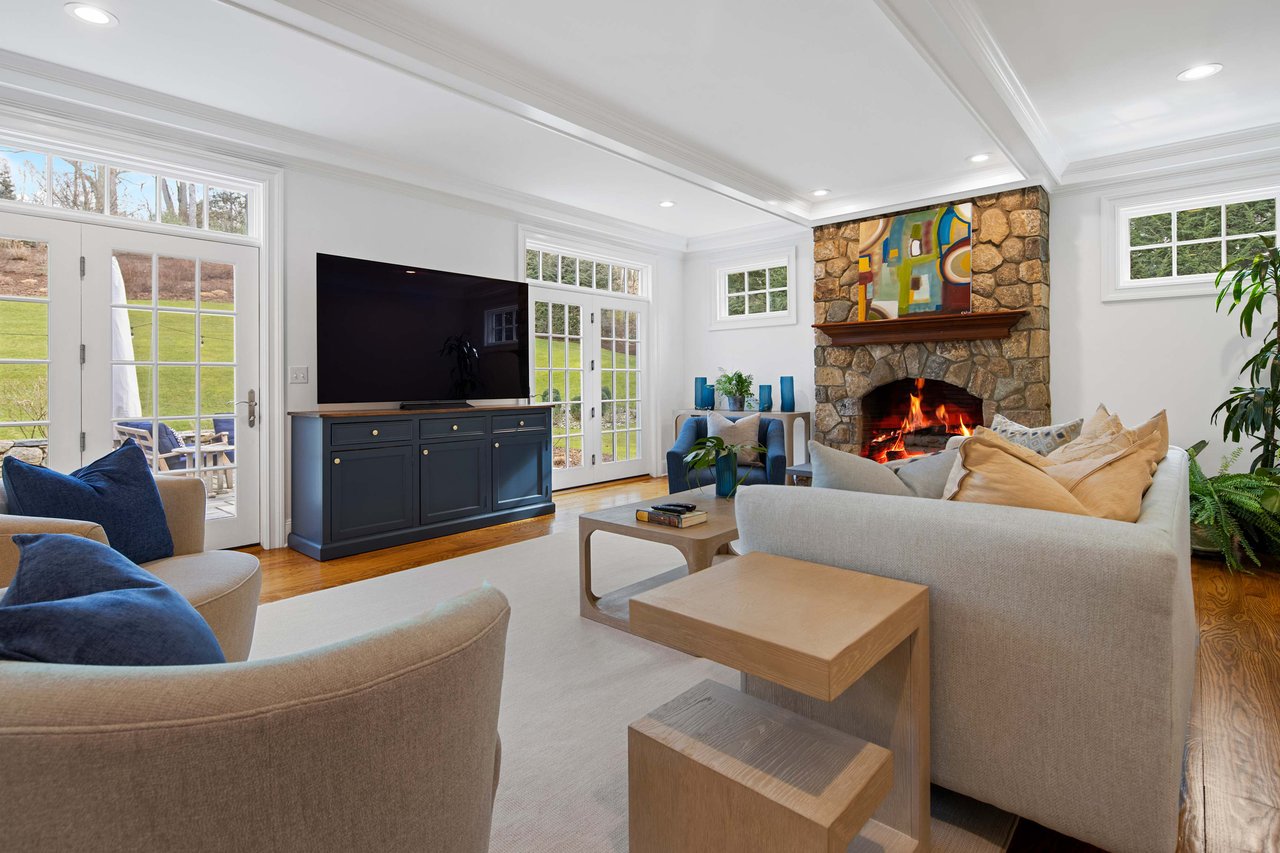
Housing choices in Fairfield vary meaningfully by area. The town describes its beach-area neighborhood as flat and popular with families, and says the housing stock has shifted over time from smaller ranch houses toward larger two- and three-story homes designed to better handle future hurricane flooding.
That is an important clue for coastal buyers. Near the shoreline, lifestyle advantages often come with practical considerations such as flood-conscious design, rebuilding patterns, and seasonal parking rules.
Transit-Oriented and Multifamily Choices
If you prefer newer residential options near transit and downtown amenities, the town reports several recent and planned projects. These include a 101-apartment mixed-use building and a second phase with 160 apartments in the Fairfield-Black Rock area, a 90-unit luxury residential development near Fairfield Center, and the approved Crossings at Fairfield Metro project with 357 residential units plus hotel and office-retail space.
The town also says it has added three assisted-living communities in recent years. Together, those additions expand the range of housing options for renters, downsizers, and buyers who want a more low-maintenance or transit-connected lifestyle.
How to Think About Lifestyle Fit
When you compare Fairfield with other Connecticut shoreline towns, the key question is not just whether it is coastal. It is what kind of coastal living you want.
If your priority is beach proximity, Fairfield offers real shoreline access and established waterfront recreation. If you care more about everyday convenience, the combination of downtown, multiple village centers, Metro-North access, and a broad recreation network may make Fairfield especially appealing.
For many buyers, the real advantage is flexibility. You can look for beach-adjacent living, a walkable area near downtown, a village setting with distinct character, or a newer housing option closer to transit and mixed-use development.
Why Fairfield Stands Out
Fairfield’s lifestyle story is broader than the water alone. It brings together beaches, parks, marinas, restaurants, libraries, museums, trails, and rail access in one town. That creates a setting that can support both weekend enjoyment and the practical needs of daily life.
If you are weighing a move within Fairfield County, that balance is worth paying attention to. For personalized guidance on Fairfield neighborhoods, coastal considerations, or the right fit for your next move, connect with Barbara Sweeney Homes.
FAQs
What makes Fairfield, CT different from other coastal towns?
- Fairfield combines five miles of coastline and public beaches with a walkable downtown, multiple village centers, Metro-North access, universities, cultural venues, parks, and trail systems.
What beaches are available in Fairfield, CT?
- Fairfield has five public beaches: Jennings, Penfield, Sasco, Southport, and South Pine Creek, with seasonal parking rules that vary by beach.
What is downtown Fairfield, CT like?
- Downtown Fairfield centers around Fairfield Center station and offers shopping, dining, arts and culture, about 40 restaurants, and walkable access to local destinations.
What kinds of homes can you find in Fairfield, CT?
- Fairfield includes beach-area homes, inland neighborhoods, transit-oriented residential developments, apartments, luxury residential options, and assisted-living communities.
Is Fairfield, CT good for outdoor recreation?
- Fairfield offers beaches, marinas, parks, ball fields, tennis courts, pickleball courts, open-space parcels, and trails through the Connecticut Audubon Society’s Fairfield site and Larsen Sanctuary.